The terrorist threat in the EU: expect the unexpected
The terrorist threat to the EU from ISIS is a varied one. In the wake of what happened in Paris boils down the advice that we should ‘expect the unexpected’.
The terrorist threat to the EU from ISIS is a varied one. In the wake of what happened in Paris boils down the advice that we should ‘expect the unexpected’.
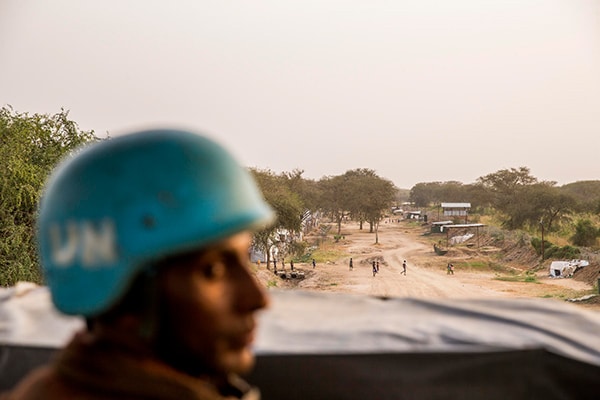
The deliberate targeting of, and indiscriminate attacks against, civilians are recurrent themes in present-day armed conflicts.
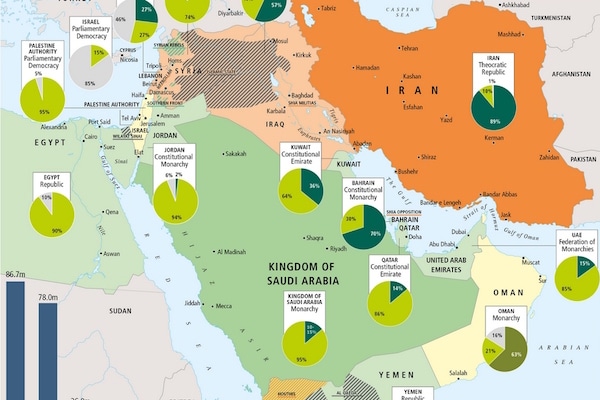
The clash between Saudi Arabia and Iran –two regional superpowers which are both theocracies– is the greatest geopolitical rivalry in the Middle East.
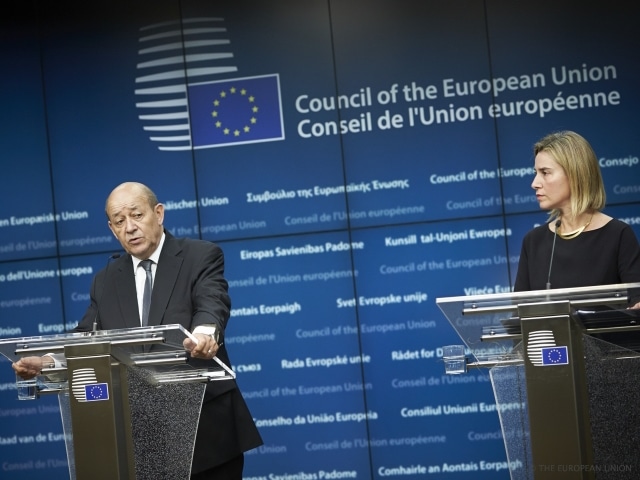
This crisis after the Paris attacks would have been a good opportunity to promote a common European defence policy against a common threat.
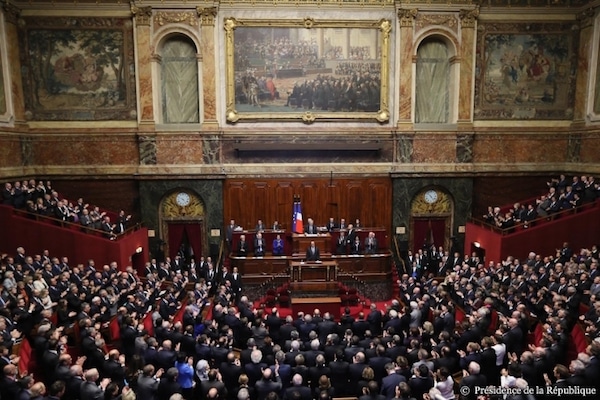
Three days after the coordinated terrorist attacks in Paris, the French President François Hollande said that ‘France is at war’.
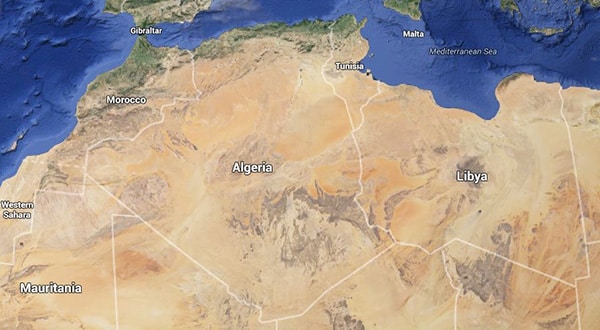
While Libya has seen an extraordinary rise in terrorist violence, particularly since 2012, the frequency of attacks has been contained in Algeria since 2013, the year when terrorism started to grow considerably in Tunisia. Morocco has been notorious for an absence of attacks since 2011.
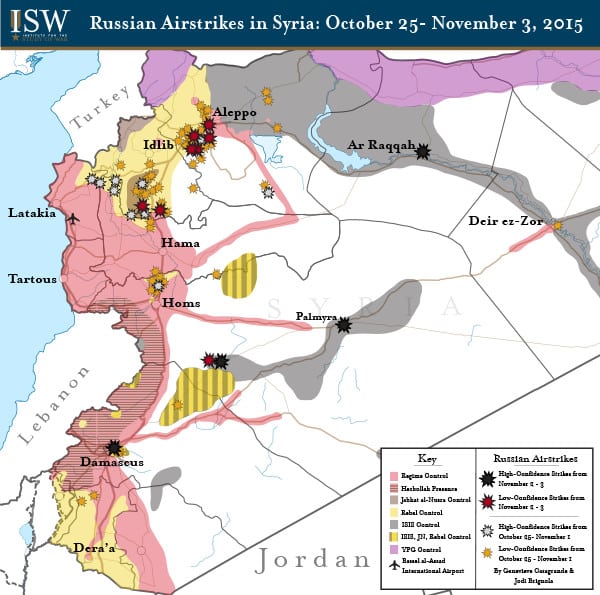
Without Russian intervention in Syria things would not have begun to move and there would be little hope of a glimmer of pacification on the horizon.

Security has always been an important value in traditional societies, but it has become a key value in present-day societies, both developed and less developed. Since the end of the Cold War, the concept of security has been enlarged to encompass individual, societal, global and human security, and not only the national dimension.
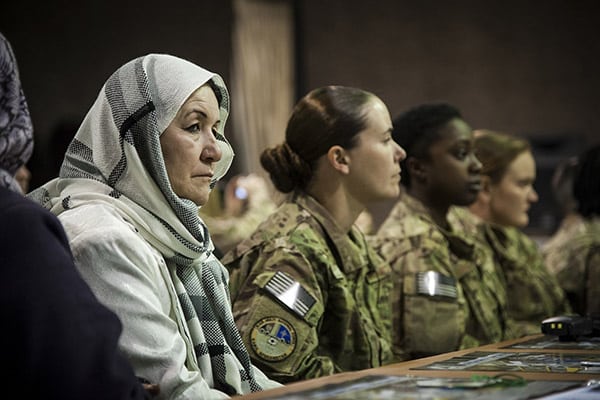
The reality facing women and girls in conflict scenarios and their role in peace-building will not improve unless firmer and more decisive action as well as a clear political impetus and funding for the goals agreed in United Nations Security Council Resolution 1325 (2000) are forthcoming.
21 - 27 of 42 pages