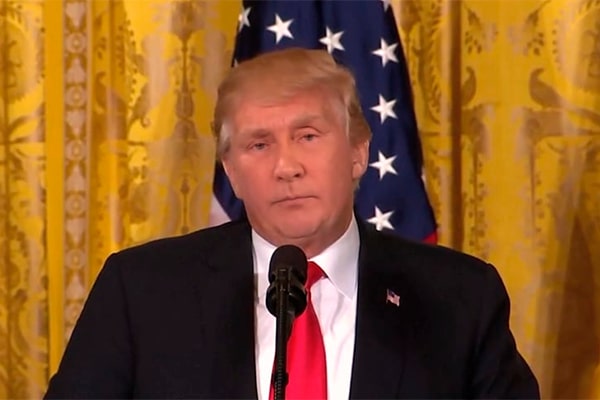
The weaponisation of synthetic media: what threat does this pose to national security?
The weaponisation of hyper-realistic synthetic video, audio, images, or texts –generally known as of synthetic media– may affect national security.
The weaponisation of hyper-realistic synthetic video, audio, images, or texts –generally known as of synthetic media– may affect national security.

This paper examines the geopolitical impact on cyber security that coronavirus is having. The COVID-19 carries huge numbers of ramifications, with consequences that extend to the current crisis.
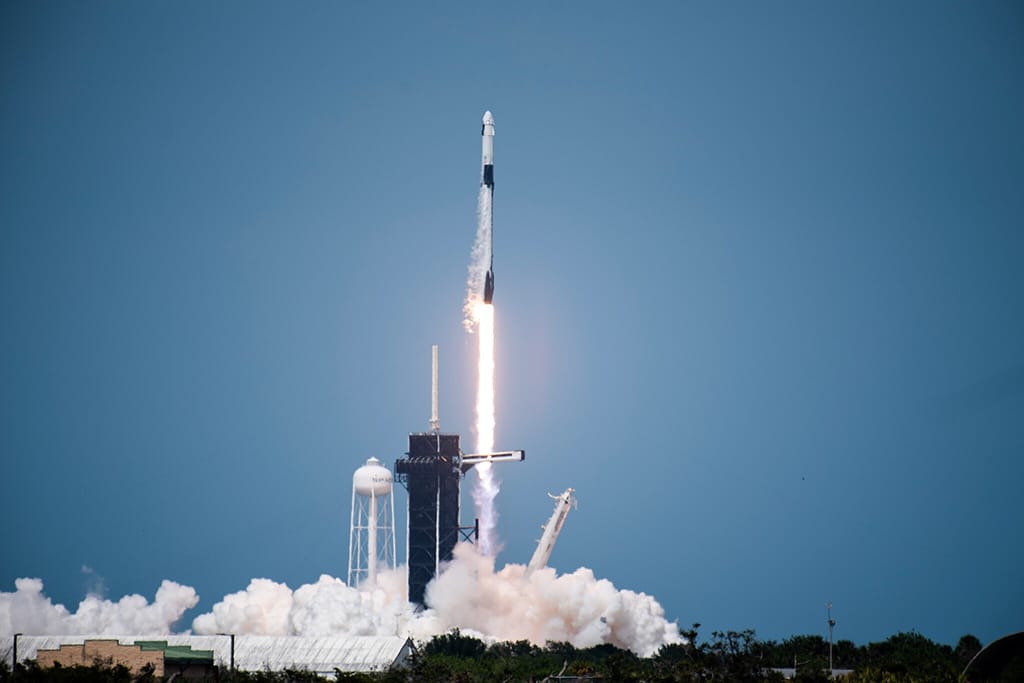
A private US company put into orbit and delivered two astronauts to the International Space Station. A new era has thereby dawned in the space race.
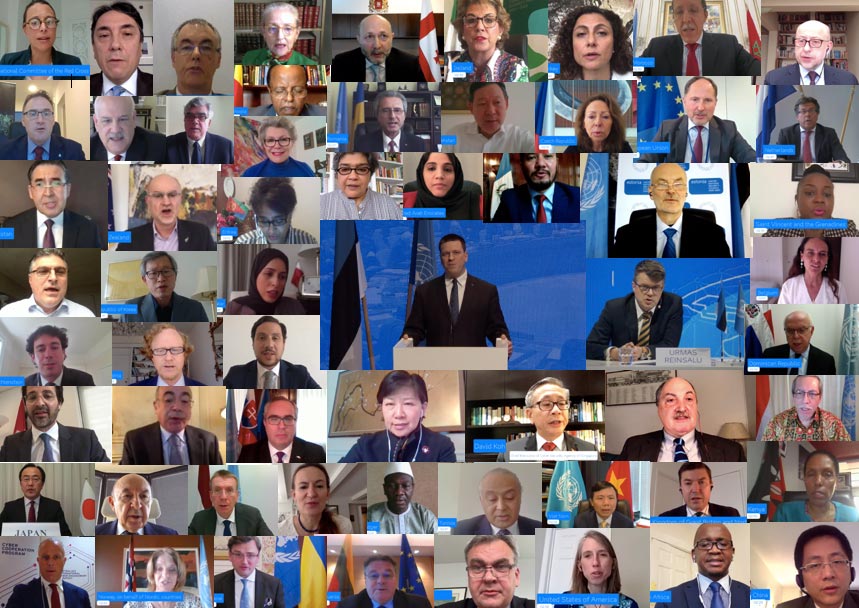
The cyberspace is far from being integrated into the multilateralism and regional cooperation approaches through norms, an urgent and necessary issue.
COVID-19 raises questions whether international politics will be characterised by a renewal of multilateralism or an aggravation of great power competition.
This paper puts forward a number of specific proposals to further EU-Japan maritime security cooperation in the Indian Ocean region.
Defence should be included in the critical sectors as the EU renegotiates its next long-term budget that will seek to boost recovery.
While the discussion on cyber terrorism research and related government policies have hit a wall in recent years, adversarial tactics to create terror in and through cyberspace are only at their beginning.
Global health is one of the few policy areas that can be considered internationalised. Now it faces the challenge of COVID-19 as a global pandemic.
13 - 19 of 42 pages