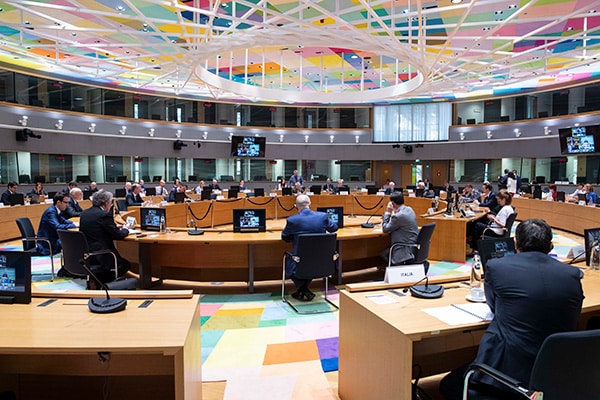
In the desert or at sea? Securing Europe’s southern flank
Europe’s neighbourhood in the Middle East and North Africa is set to become even more instable. Are Europeans capable of securing their own southern flank?
Europe’s neighbourhood in the Middle East and North Africa is set to become even more instable. Are Europeans capable of securing their own southern flank?
Russia’s future role in Latin America and how its actions will benefit or harm Spain remain unclear.
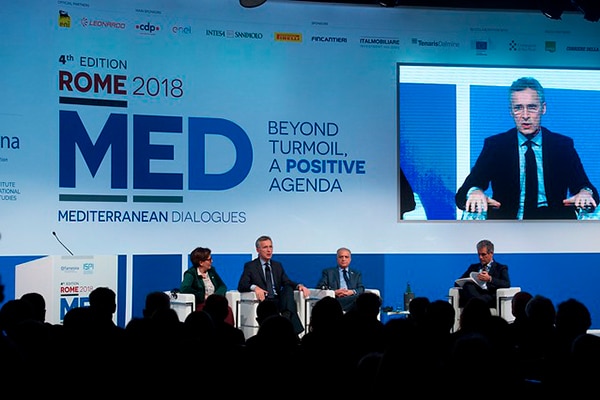
NATO has always had a southern exposure. Today’s strategic environment provides a new context for this traditional question, but also raises fundamental questions of geography, alliance politics and a shared approach to risks.
Expectations of leadership are high, as are hopes that the German EU Council Presidency will give substance to the statement "Together for Europe's recovery".
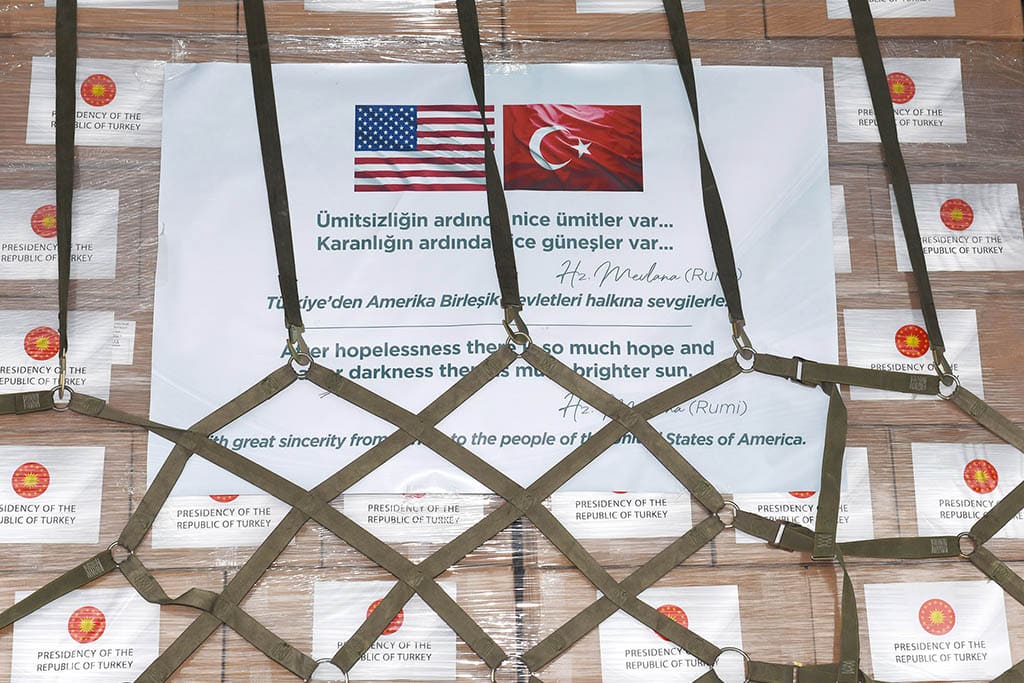
Turkey is using the coronavirus diplomacy as a tool to make things better with its European neighbours, but this is not necessarily enough.
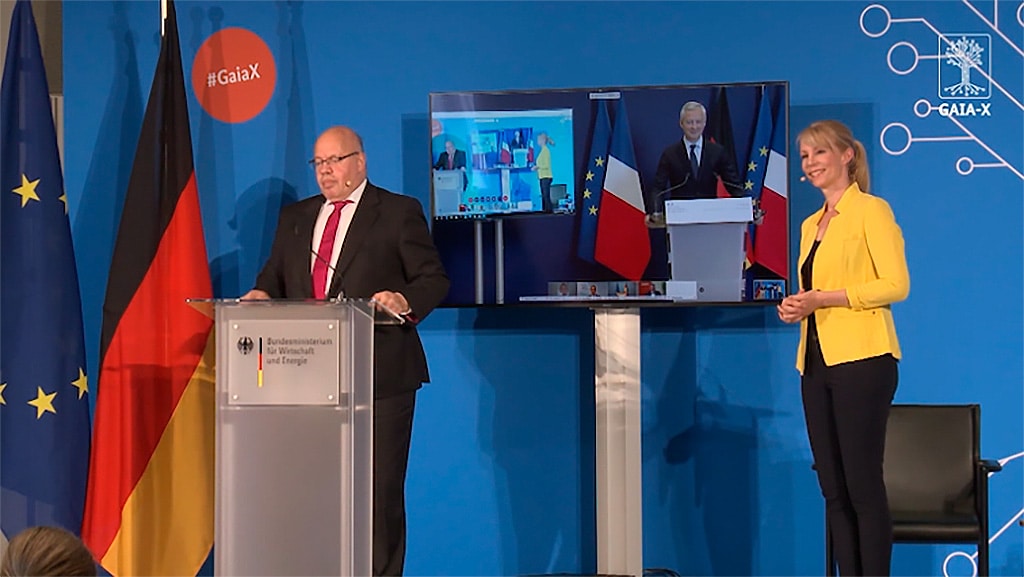
In the debate over European digital sovereignty which is still unsolved, GAIA-X features opportunities, challenges, and discrepancies.
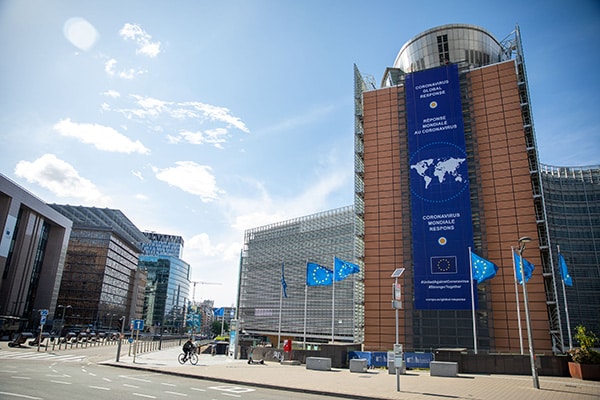
It is vital to understand all its power dynamics before judging the EU’s performance while dealing with these multidimensional crises.
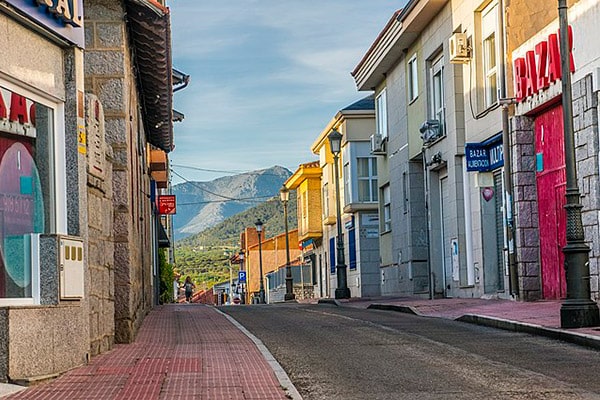
Spain’s lockdown exit plan is based on four pillars: proper data and healthcare capacities, geographical asymmetry, a two-way street with different speeds, and subsidiarity and co-responsibility.
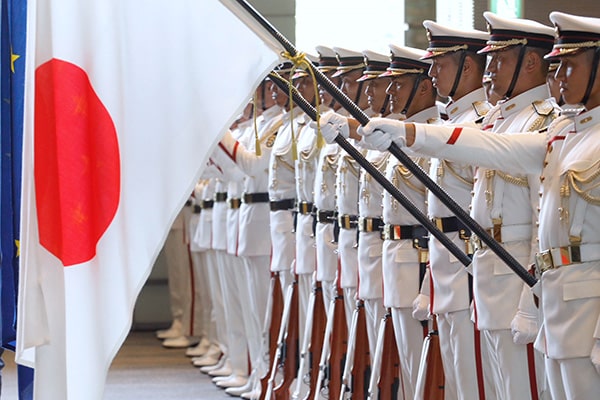
EU and Japan have interest in developing defence capabilities and research but these challenges and cooperation is conditioned by a shifting geopolitical landscape.
23 - 29 of 83 pages