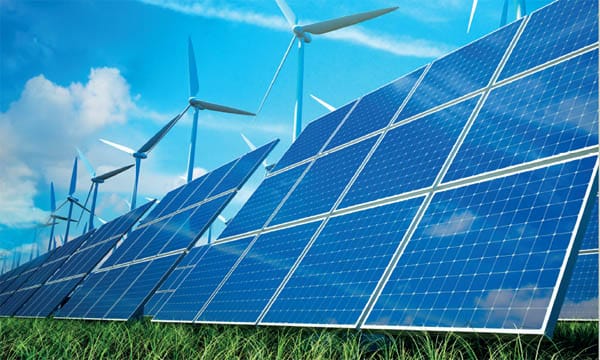
The Energiewende and Germany’s Industrial Policy
The Energiewende is bringing about fundamental changes to Germany’s energy mix through short, medium and long term targets.
The Energiewende is bringing about fundamental changes to Germany’s energy mix through short, medium and long term targets.
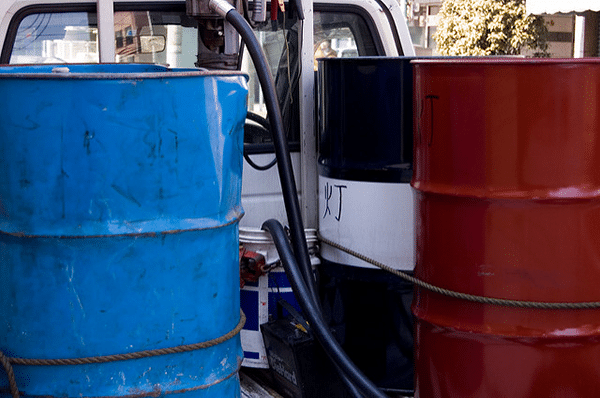
Oil has already dropped to three-quarters of the price it had in June. This may have economic consequences: some wished for while others are to be feared.

This paper analyses Spain’s climate diplomacy in line with the Elcano report titled ‘Towards a Strategic Updating of Spain’s Foreign Policy’ and the State Foreign Action and Service Law (Ley de la Acción y del Servicio Exterior del Estado, LAESE).

On 28 June 2013 the Shah Deniz Consortium (SDC) took a historic decision that put an end to a decade-long pipeline race to bring Central Asian gas to Europe. The big loser was Nabucco, a project that the European Commission once considered ’strategic’ for the opening of the Southern Gas Corridor.
On 14 October the European Commission made public its selection of the first set of Projects of Common Interest (PCIs) regarding Europe’s energy infrastructure.
Since the November 2011 legislative elections, the Moroccan government led by the Justice and Development Party (PJD) has struggled to keep the economy on track despite the global economic crisis and the impact of the Arab revolts.
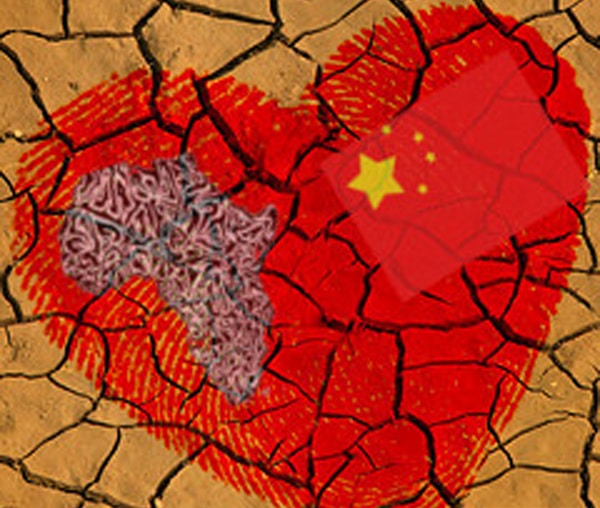
Beyond their environmental impact, climate change and energy security involve associated risks related to economic vulnerability and international security. Addressing these challenges will require a new, ambitious multilateral post-Kyoto agreement and a global deal between energy suppliers and importers. Sharing competences on climate-energy issues, the EU and Member States have a responsibility to provide joint, effective responses at the global governance level.
12 - 18 of 20 pages